
A customer loves the color of a wig but finds the cap uncomfortable after several hours. Another appreciates the natural-looking hairline but doesn’t want to spend twenty minutes adjusting the lace every morning. The wig looks beautiful, but a different buyer finds the density surprisingly heavy once it is worn.
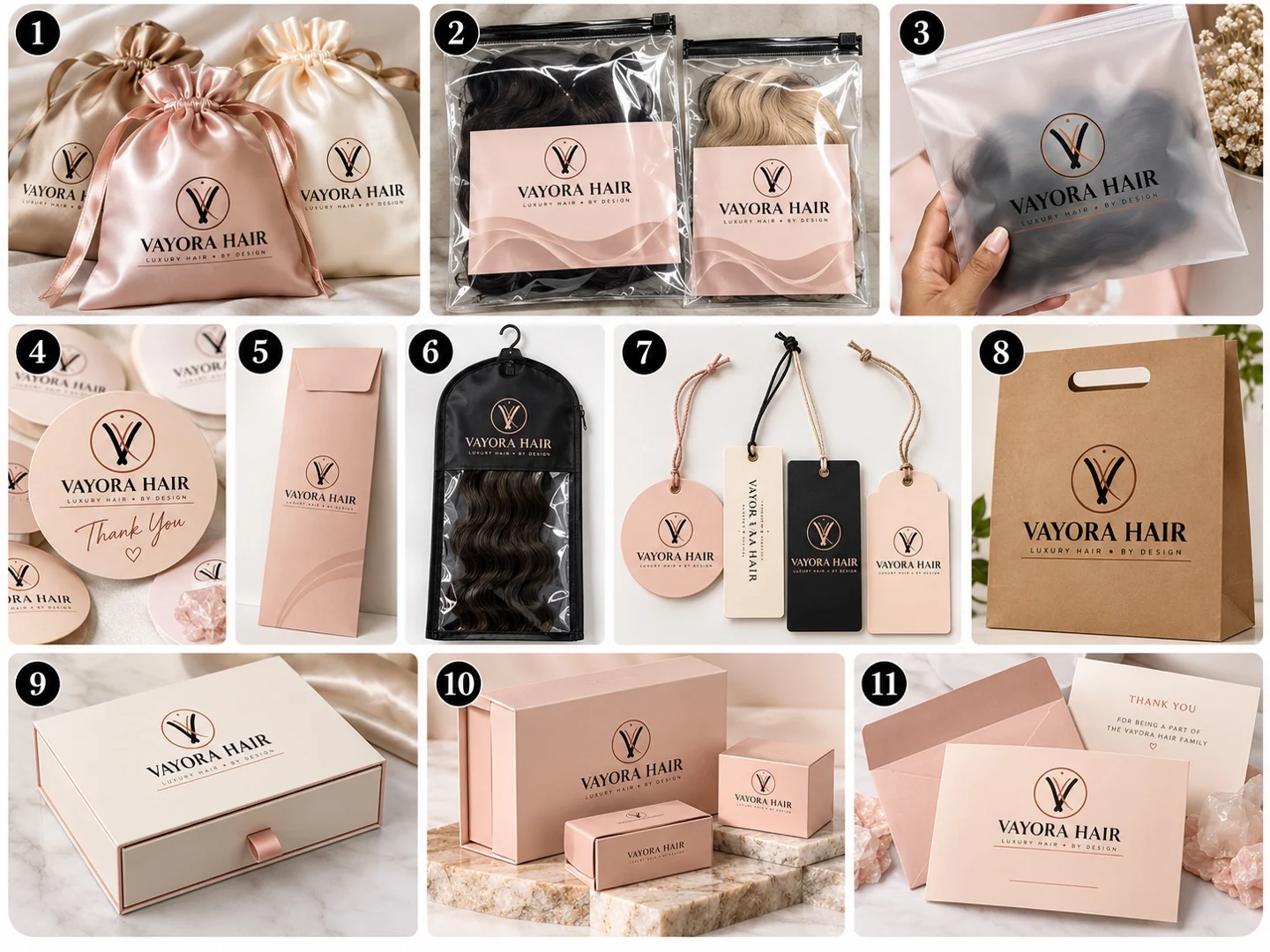
Image credit: vayorahair.com
A wig retailer developing its own products can view such responses as more than customer opinions. Such observations can guide the development process toward products that deliver a wearing experience people appreciate.
The newest viral hairstyle is not necessarily the basis of a successful wig collection. The foundation is a clear understanding of the experience of wearing a wig that buyers want.
Look Beyond the Order
Buyers seldom use production terminology to explain what they need. They talk about comfort, convenience, appearance, and confidence. The desire to spend less effort getting ready may indicate a need for a glueless design. If customers say the hairline looks unnatural, the team may need to review lace appearance and knot treatment, along with the density or design of the part.
A human hair wig manufacturer China brands work with should be able to translate these everyday concerns into measurable product specifications.
Rather than asking for a 22-inch body-wave wig alone, a buyer can outline the desired wearing experience, cap fit, lace construction, the look of the hairline, and finished weight. The development process benefits from having a more clearly defined target.
Build Your Private Label Range a Distinct Identity
Popular products often become the entire basis for a developing wig brand’s catalog, which can be a misjudgment. Such an approach can leave the brand with a range that closely resembles competitors’ offerings.
Working with a private label wig manufacturer China retailers can collaborate with allows brands to develop a more consistent product identity. The identity might be expressed through a lightweight everyday collection, a premium natural-hairline line, or wigs designed for immediate wear intended for customers who prefer minimal preparation. Texture, length, color, density, cap construction, and packaging should support the same customer promise. Rather than relying solely on limited-time savings, a recognizable collection offers shoppers another reason to come back.
What Matters in Glueless Wig Construction
The simplicity of the term “glueless” does not capture the construction factors that determine the wearing experience. Everything from the size of the cap and adjustment features to attachment components, lace preparation, and hairline design influences how securely and comfortably the unit fits.
Establishing these design requirements before production is something a glueless wig manufacturer China buyers work with should assist with. Manageable density, pre-cut lace, and simple adjustment features may be particularly important when the intended customers are inexperienced wig users. The customization needs for a professional stylist’s collection may be different. There is no automatic advantage for either approach. The two approaches address the needs of different customers.
Sampling Protects the Brand’s Reputation
Even a detailed photograph provides only part of the information about a wig. Evaluating the unit means looking at cap fit, hair movement, color accuracy relative to expectations, and whether the final construction follows the approved design. The sample stage creates an opportunity to notice inconsistencies ahead of a larger order.
For a wholesale human hair wigs supplier, documented specifications and quality-control procedures are especially important when the same style must be produced repeatedly. A lack of clear reference materials can make it difficult to reproduce the results of a successful first batch with consistency.
Expanding a Wig Range With a Clear Direction
VAYORA supports B2B wig brands, retailers, and distributors through product development, private label services, sampling, specification control, and repeat-production workflows. Its approach connects customer expectations with the physical details that determine how a wig looks, fits, and feels.
Prior to expanding a product range, brands should study customer feedback, pinpoint their strongest product opportunities, and set clear approval standards. A stronger next lineup might not depend on offering additional styles. Instead, success may come from making fewer compromises in the styles customers already seek.