
The way content on the internet is produced is rapidly changing and video is at the heart of this change. Once, the process required complicated software, lengthy production times, and advanced abilities can now be done in just a few minutes thanks to the use of an AI video generation model. These models aren’t just automating the creation of videos, they are altering how static images become engaging story telling.
One of the most prominent examples of this shift is the Akool, whose technology demonstrates how far the use of AI in modern times has advanced.
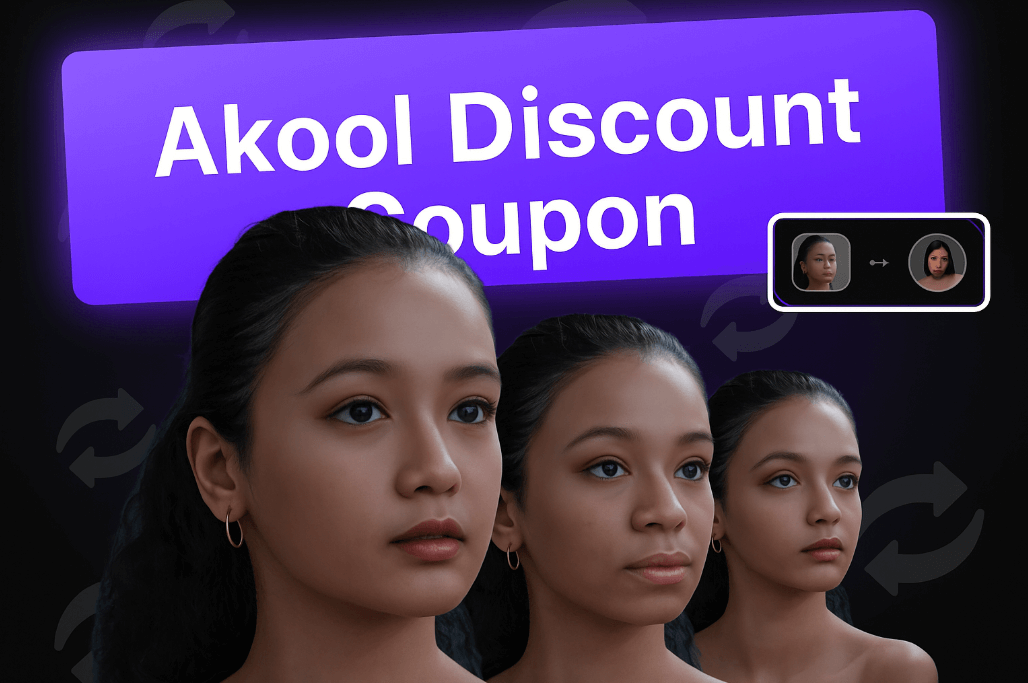
Image credit: akool.com
From Static Images To Living Visuals
The standard video production process begins with footage. The advanced AI-powered workflow starts by using a simple element: an image. The Akool Video Model is created to transform static photos, illustrations, and design assets into dynamic videos that appear natural. Instead of using generic animations, the model creates depth, motion and texture in a way that maintains the integrity of the image.
This ability is particularly beneficial for teams that already have extensive image libraries. The ability to turn photos of products, brand images, or artwork into engaging videos could save both time and resources, while also increasing creative output.
Precision Motion for Cinematic Effects
One of the key characteristics of a true professional AI video model is the control. All motion isn’t by the same process and random animation can break the sense of. Advanced systems allow creators to determine how elements within the frame change in terms of speed along with direction and trajectory, producing a smoother and more cinematic output.
Creators can use sophisticated motion controls for creating character and camera motions which feel more natural rather than those created by automated. AI-generated videos can seamlessly be included in marketing strategies or digital storytelling formats and presentations with this level of accuracy.
Faster, without sacrificing the Quality
Modern AI systems challenge this notion. A modern AI video maker can create high-resolution videos in just a few seconds while maintaining sharpness, color accuracy and stability in the image. The perfect balance between effectiveness and quality is the reason that makes AI video production practical for real-world use.
In marketing and social media environments where trends are changing frequently, it is imperative to be able of a rapid iteration process. It is possible to quickly try out ideas, change images, and create new content. This gives creators and brands a real advantage, and without costing production more.
Trust is built on consistency
Consistency is always a problem in AI video production, especially when people or characters are involved. The Akool AI model addresses this issue by preserving facial identity, expressions and overall alignment of characters throughout the video. This makes for more authentic videos, and also helps prevent the visual drift which frequently ruins viewer’s engagement.
This consistency is essential in scenarios such as brand ambassadors or visuals that are used to teach. Visuals with a stable and natural feel will be more likely to inspire viewers to connect and trust.
Real-World Workflows Designed
AI video tools are most effective when they are seamlessly integrated in creative workflows. Image-to-video models designed for professional use emphasize simplicity along with the power. Teams can easily adopt AI video creation without extensive training due to the user-friendly interface and speedy rendering.
Beyond individual creators They also facilitate collaboration and creativity. These ecosystems are governed by communities that allow users to learn from each others, discover new methods and push the creative envelopes.
A New Standard for Visual Storytelling
AI video production is no longer an experimental invention, it’s becoming an essential tool for contemporary content creation. Through a combination of speed, realism and control over creativity, today’s AI models can be used to create new possibilities with existing resources.
As AI continues to evolve, tools Akool video model illustrate a broader shift toward smarter, more accessible video production. Visual storytelling’s future isn’t only about creating motion. It’s about helping creators become more creative and turning ideas into captivating experiences more quickly than ever.