
The idea of contouring the body as a straightforward process: removing unwanted fat and making a body area smaller. Modern cosmetic surgery involves a significantly greater amount of subtlety. Surgery specialists will now look at the patient’s appearance, shape proportions to fat distribution, as well as the condition of the skin prior to recommending a treatment plan.
These aspects can be taken into consideration in the course of a procedure at PRM Cosmetic Surgery. The options range from fat transfer, liposuction and procedures that address the skin’s laxity. This gives surgeons different ways of shaping the body than just making use of one technique.
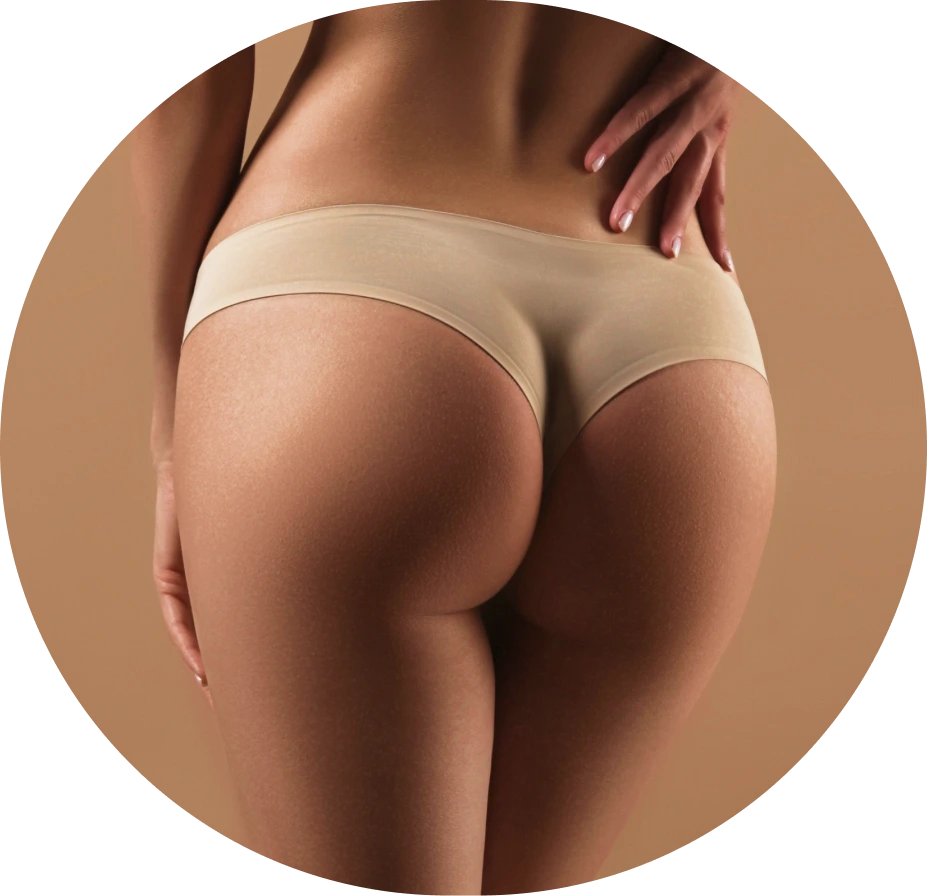
Image credit: prmsurgeons.com
Proper Liposuction starts with proportion
People looking for the most effective treatment for liposuction will usually be focused on the amount of fat that can be removed. It is essential to ask how the removal of fat will impact your appearance overall.
By eliminating the fat on the abdomen area, you can alter the way in which your waist and hips relate. Treatment of the flanks might enhance this transition. Careful and precise is essential because aggressive fat reduction doesn’t necessarily mean better. The aim is usually to produce smoother contours that remain in line with the person’s body.
PRM has advanced techniques, including tumescent numbing liposuction. The procedure is tailored to fit the area being treated and the goals of the patient.
The Quality of Skin is Vital
The skin and fat react differently. Liposuction could reduce the localized accumulation of fat, but it doesn’t mean that the skin above will shrink in the desired way.
For that reason, skin tightening can become an important part of the conversation. Age, genetics and previous weight fluctuations, as well as pregnancy and elasticity, may alter the skin’s reaction to tightening.
Renuvion® JPlasma can be described as a technology that is a possibility to treat tissue looseness that is a problem in a treatment plan. Surgeons shouldn’t consider tightening only as a last-minute alternative, but instead evaluate the characteristics of the skin when determining the primary strategy to contour the body.
Quantum RF and the conversation
Radiofrequency technology in aesthetic medicine has opened up new possibilities. Quantum RF represents another approach that can be discussed when it comes to body contours and tissue tightening issues.
The technology, however, is only one aspect of the treatment. The most sophisticated equipment will not substitute for the need for careful patient selection in deciding on a surgical procedure and anatomical understanding. Patients must be able to be able to comprehend, during a consultation what the reasons behind a specific technology is recommended, its intended goal, and any limitations that may apply to the device.
Brazilian Buttlifts Change More Than Buttocks
A Brazilian buttlift is an illustration of how modern contouring can be a way to connect different areas of the body. The procedure involves the fat of a patient that was removed from certain donor regions. It is then transferred to the buttocks.
The resultant visual results from two aspects: the shaping of areas where excess fat has been removed as well as the addition, if needed, to volume. The abdomen, waist hips, flanks, as well as buttocks are all factors that influence the way that the final silhouette appears.
Personalized Planning is More Important than a Trend
The popularity of a particular technique or technology should not be a deciding factor when choosing any cosmetic procedure. Two people who share the same request for a slimmer midsection could have completely different expectations, expectations and fat distribution.
PRM Cosmetic Surgery concentrates on individualized care and provides choices for body contouring treatments which are custom-made to the patient’s individual needs. An extensive consultation offers the chance to discuss the anatomy, procedures the expected recovery, possible risks, and the realistic results before deciding whether surgery or other cosmetic treatment is appropriate.