
It’s not often that an efficient yard starts with costly machinery or a beautifully landscaped property. It is usually someone who plants some seeds and is attentive to the results. This will allow them to make better decisions next season.
The Sproutstead is a resource for those who wish to know how to grow their own food, improve the soil they work with and preserve the harvests they have and become self-sufficient without having to learn technical terms.
Your Garden is Unique and has its own Set of Conditions
One reason garden advice could be frustrating is that gardens can’t be interchangeable. A tomato grown in a sun-filled raised bed in one area may be very different from the same variety planted in soil that is heavy, or with an earlier season.
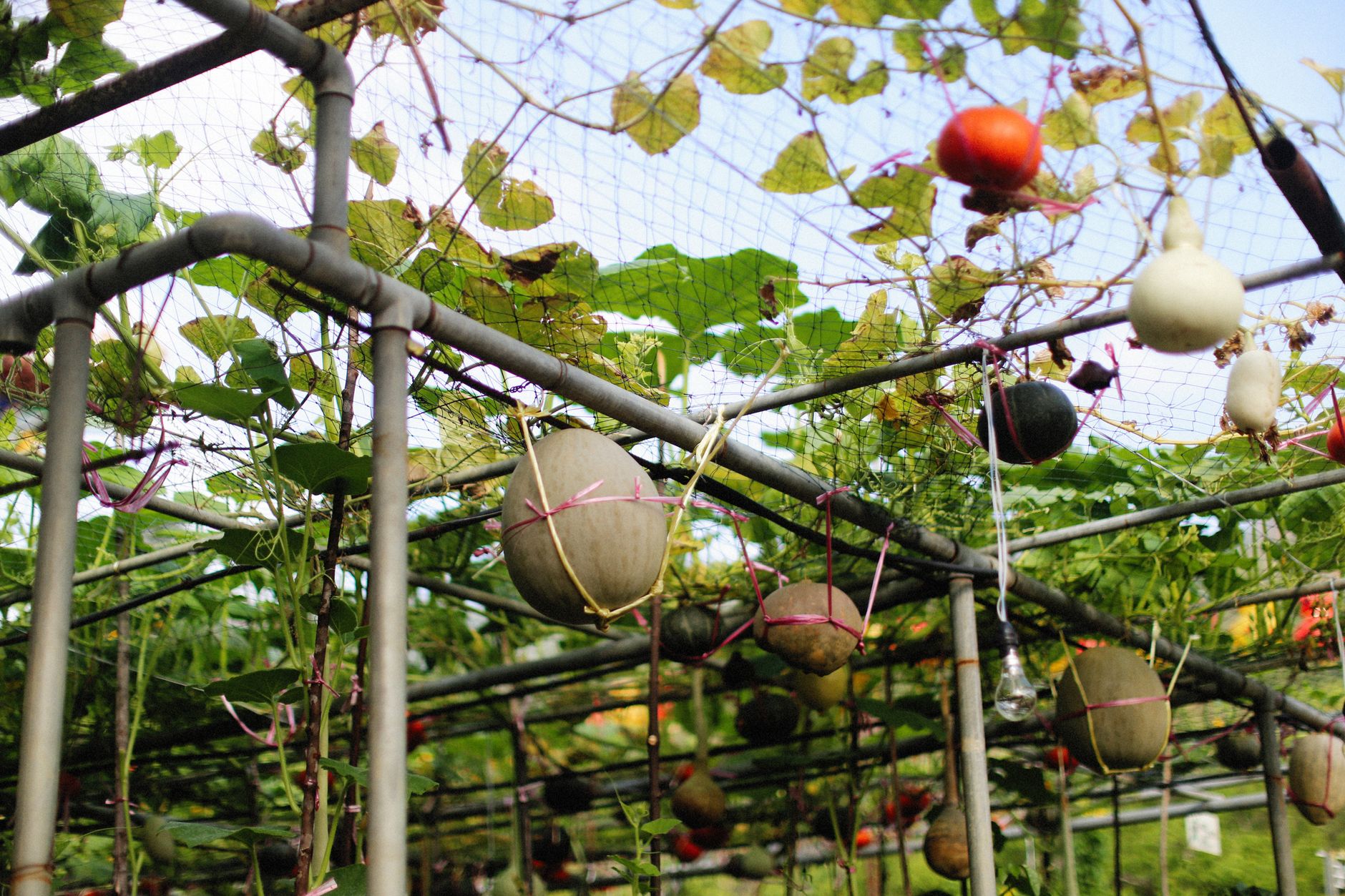
A successful homesteading or gardening experience requires more than just following the instructions. Gardeners gain knowledge of their particular conditions: sunlight soil structure, soil structure, rain and temperature, the time of year as well as the space available and how much time they are able to devote to maintenance.
The Sproutstead provides these details to help readers adapt the gardening skills they have learned to their home, rather than attempting to recreate someone else’s setup.
Under the surface, vegetable gardening starts
Naturally the people pay more attention to plants that they can see. However, the effectiveness of any gardening venture is in large part determined underground.
A healthy soil requires a equilibrium of drainage, water retention, nutrients, and organic matter. Composting can enhance soil with time, and mulching can save water and slow the growth of plants. Paying attention to these fundamentals can make vegetable gardening easier because healthier growing conditions give plants a stronger foundation from the beginning.
It is equally important to plan your garden. The efficiency with which gardeners can use limited space depends on the spacing between plants as well as the timing of crop growth along with companion plants, as well as seasonally-based succession.
Tomatillos Are an excellent example of paying attention
If you ask ten gardeners about tomatoes and you’ll probably get a variety of stories. They are among the most sought-after crops in home gardens and show the way that different environments for gardening can cooperate.
If you want to know how you can grow tomatoes, look beyond the planter’s depths and fertilizer plans. Tomatoes need adequate sunlight, constant watering, suitable soil, appropriate spacing, and support as they grow. It is also important to select the right variety because growing conditions availability of space, as well as intended use can influence which variety is best for you.
If a plant produces a lot of foliage but produces little fruit, for example, just adding more fertilizer may not solve the issue. This could be due to high nitrogen levels, low temperatures, lack of sunlight or poor pollination. It is more efficient than treating every symptom.
Harvesting is only one aspect of the story
If a portion of the veggies were rotten before eating them, then it’s failure. When you’re planning a garden at home it is important to think about what happens following harvest.
Canning freezing, dehydrating, freezing sharing surplus produce and saving seeds can all help families get the most out of their gardens. Backyard chickens and herbs fruits trees, and composting are all possible components of the same system.
Nobody has to be implementing all homesteading practices at once. It’s important to make progress in homesteading whether it’s growing lettuce, creating an organic compost pile, or preserving the first batch of tomatoes.
Practical Experience Helps Grow Better Gardeners
Even the most thorough gardening advice can’t guarantee perfect plants. Changes in weather, pests are present, seeds occasionally fail, and recommendations vary by region.
The Sproutstead considers these facts more as part of learning, not an isolated event. By connecting topics like soil and seeds, vegetable seed-starting, pests, preservatives, backyard chickens or self-sufficiency to other subjects like preservation, backyard poultry, or self sufficiency, readers will gradually learn how to grow an organic garden.
It is best to build your garden productively in like the way plants grow: seasonalally, gradually, and from a strong foundation.